Pillows support the head and neck during sleep, contributing to comfortable alignment alongside mattresses and other bedding. Their shape, fill, firmness, and loft affect how they feel in different sleeping positions. Understanding these characteristics helps explain why pillow needs vary according to posture, body proportions, personal comfort, and the materials used.
The Naturepedic Organic Side Sleeper Pillow is designed with side sleeping in mind, when the space between the shoulder and head can influence neck support. Its shape and loft are intended to help fill that gap and maintain a more neutral position. As an organic pillow option, it is relevant to people comparing materials used in organic mattresses and bedding.
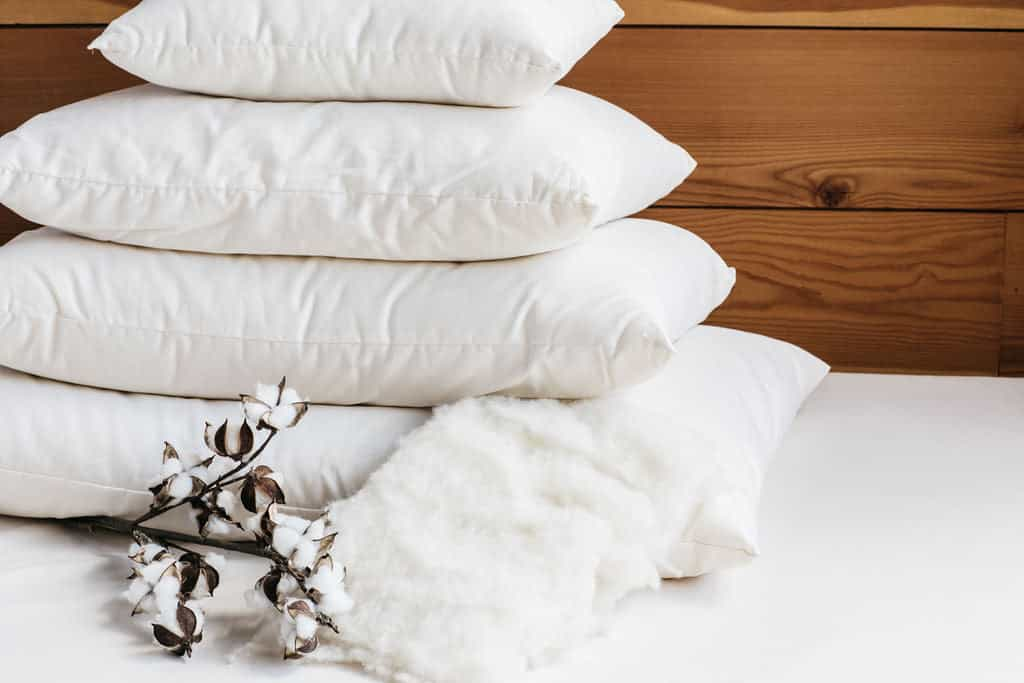
Certified Organic Wool Bed Pillows use wool as their principal fill, a natural fiber valued for its resilience and ability to help regulate warmth and moisture. Wool can provide cushioned support while retaining a springy feel. These characteristics may suit sleepers seeking an alternative to synthetic fills or comparing fiber choices for their bedroom bedding.
Pillow materials differ in feel, support, and care requirements. Latex, wool, and other fills can each offer distinct levels of firmness, responsiveness, and temperature comfort, so material labels are useful when comparing products. Organic certifications also identify standards relevant to sourcing and processing; they do not, by themselves, determine whether a pillow suits a particular sleeper.
Pillows are designed primarily for adult sleep, while organic crib mattresses and infant sleep products have separate safety requirements. A pillow’s appropriate use depends on its design and the sleeper’s needs, so product specifications and care guidance matter. Matching pillow loft and support to sleeping position can complement a suitable mattress without replacing its role in overall sleep comfort.
 Bedding