Metal Bed Frame
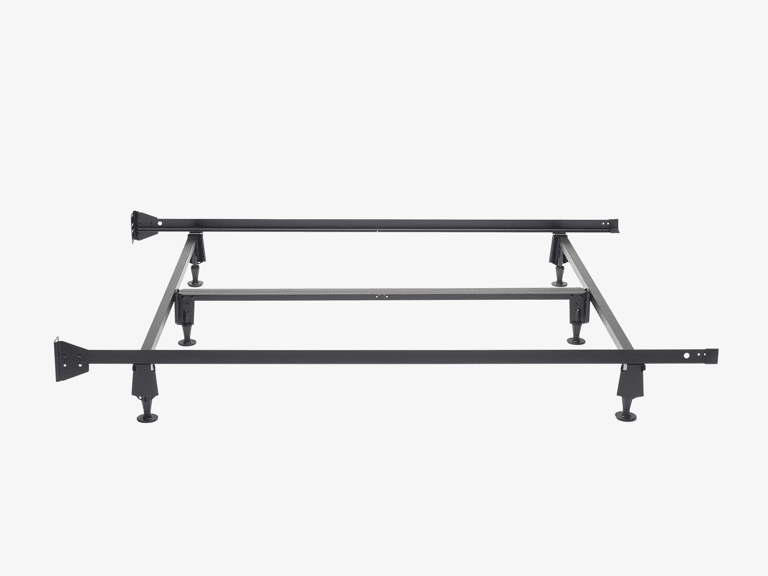
Durable, eco-friendly bed frame with tool-free setup for effortless assembly and reliable support, pairing perfectly with Casper foundations and mattresses for a clean, sleep-ready bedroom.
Explore the science behind sleep stages and how they influence overall rest and health. This guide translates complex research into actionable tips for improving sleep quality at home. Drawing on the rhythm of circadian timing, sleep architecture, and environmental cues, we offer a road map to a calmer, more restorative night.
Sleep unfolds in repeating cycles across the night. Each cycle comprises distinct stages with unique patterns of brain activity, muscle tone, and physiological processes. The sequence typically begins with lighter sleep (N1), progresses into deeper stages (N2 and N3, sometimes called slow-wave sleep), and cycles through REM sleep, where dreaming is most vivid and brain activity resembles wakefulness.
N1 — Transitional Light Sleep
N1 marks the transition from wakefulness to sleep. It is brief but essential, serving as the doorway into deeper rest. During this stage, theta waves rise, muscle activity slows, and eye movements become slower. It is easy to awaken during N1, and disruption here can fragment the entire night’s architecture.
N2 — Stabilizing Sleep
N2 is the workhorse of the night. Sleep spindles and K-complexes appear, signaling a protective, stable state that guards against external disturbances. This stage lengthens with each cycle, laying the groundwork for restorative processes and memory consolidation.
N3 — Deep Slow-Wave Sleep
N3, the deepest sleep stage, is where the body engages in physical restoration. Growth hormone peaks, tissue repair accelerates, and brain activity slows to delta waves. Waking from N3 often leads to grogginess, but this stage is crucial for energy restoration and cognitive recovery.
REM — Dreaming and Brain Plasticity
REM sleep features rapid eye movements, increased brain activity, and vivid dreaming. It supports emotional regulation, learning, and memory consolidation. REM cycles typically become longer and more intense later in the night, balancing the restorative work of N2 and N3.
Circadian rhythms are the body's 24-hour clock, orchestrating the timing of sleep and wakefulness. Light exposure, activity, meals, and even social cues help synchronize this clock to the external world. When circadian alignment is strong, sleep onset is smoother and the architecture of sleep is more coherent.
Home cues—dim lighting in the evening, a consistent bedtime, and a sleep-conducive environment—act as powerful signals to your brain. Small changes accumulate: a cooler room, minimal noise, and reduced artificial light in the hours before bed can shift the EEG patterns toward more efficient sleep architecture.
Translating science into routine is the heart of better rest. The following steps are designed to be actionable, easy to implement, and adaptable to varied lifestyles.
A routine anchored in consistent timing not only fosters healthier sleep architecture but also supports daytime functioning. When your nights become more orderly, your days tend to improve—cognition sharpens, mood stabilizes, and energy returns with more predictable cycles of REM and deep sleep.
In practical terms, think of your sleep as a nightly proportion of cycles. If you consistently sleep seven to nine hours, you’re more likely to obtain multiple REM periods and several deep sleep episodes, which translate into better memory, emotional regulation, and physical recovery over time.
Understanding sleep stages benefits from cross-era perspectives. Here are three influential figures who shaped how we think about sleep, circadian biology, and restorative rest.
A pioneer in electroencephalography, Berger’s early work laid the groundwork for measuring brain activity during sleep. His innovations helped scholars begin to map the neural rhythms that distinguish sleep stages, a foundational step toward objective sleep science.
Often called the father of sleep medicine, Dement championed sleep as a scientific field. He co-founded the field’s rigor and established REM sleep as a central component of healthy sleep. His work transformed sleep from a private concern into a clinical and public-health priority.
A leading chronobiologist, Roenneberg’s research on social jetlag and circadian misalignment has highlighted how modern lifestyles clash with our internal clocks. His work urges a rethinking of work schedules, school times, and urban design to better align with natural rhythms.
To illustrate how a simple, well-made foundation can influence sleep, we consider a classic, durable bed frame that complements a sound sleep setup: a metal bed frame made from recycled steel. This Casper-compatible frame is straightforward to assemble and pairs with trusted mattresses for a durable sleep environment. The blend of sustainable materials and functional design mirrors the ethos of a sleep-first approach: simple, reliable, and aligned with restorative rest.
Material: 100% recycled steel. Construction: Easy-to-assemble, tool-free setup. Compatibility: Designed to pair with Casper foundations and mattresses for a complete sleep setup.
This bed frame embodies the principle that a solid, sustainable base supports longer, higher-quality sleep cycles. A sturdy frame reduces micro-movements and disturbances that can fragment REM and N3 sleep, contributing to a more cohesive nightly rhythm.
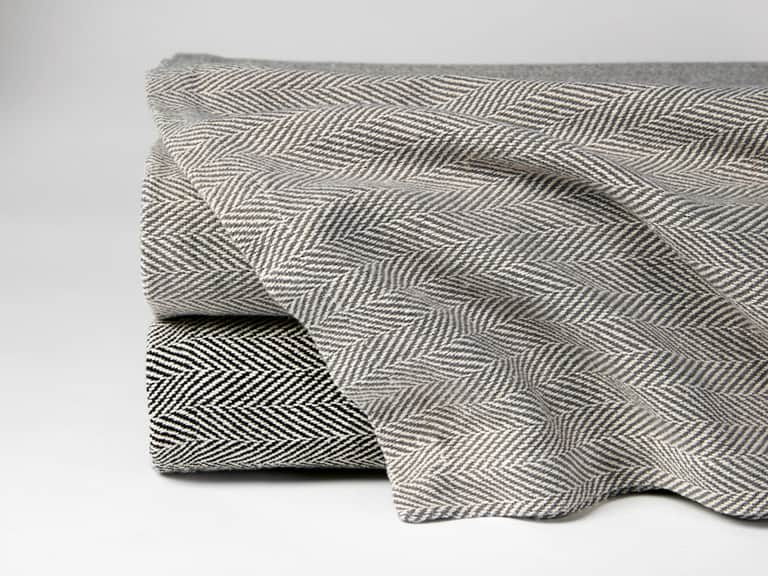
Pair the frame with breathable textiles and a cool ambient temperature. Light-blocking curtains or a trusted blackout system, combined with sound-mitigating measures, can push sleep onset closer to N1 and sustain clean transitions through N2 and REM cycles.
In practice, a thoughtful bed setup reduces nightly awakenings and supports deeper sleep stages. The goal is a stable, refreshing night where every cycle accrues benefits for memory, mood, and physiological repair.
A concise set of terms and resources to deepen understanding of sleep science and practical sleep hygiene.